Sipping Smart: The Relationship Between Wine Consumption and Anxiety Relief
In a world that's constantly throwing stress our way, finding effective coping strategies for anxiety is more crucial than ever. Enter wine — a beloved beverage that has captured hearts and taste buds around the globe. But did you know that enjoying a glass of red or white wine might help ease anxiety symptoms? While it’s essential to approach this topic with caution, as the effects of alcohol on mental health can be complex, there is a fascinating relationship between wine consumption and relaxation that is worth exploring. So, let's uncork calm and discover how a little sip of the grape can make those anxious moments just a bit more manageable.
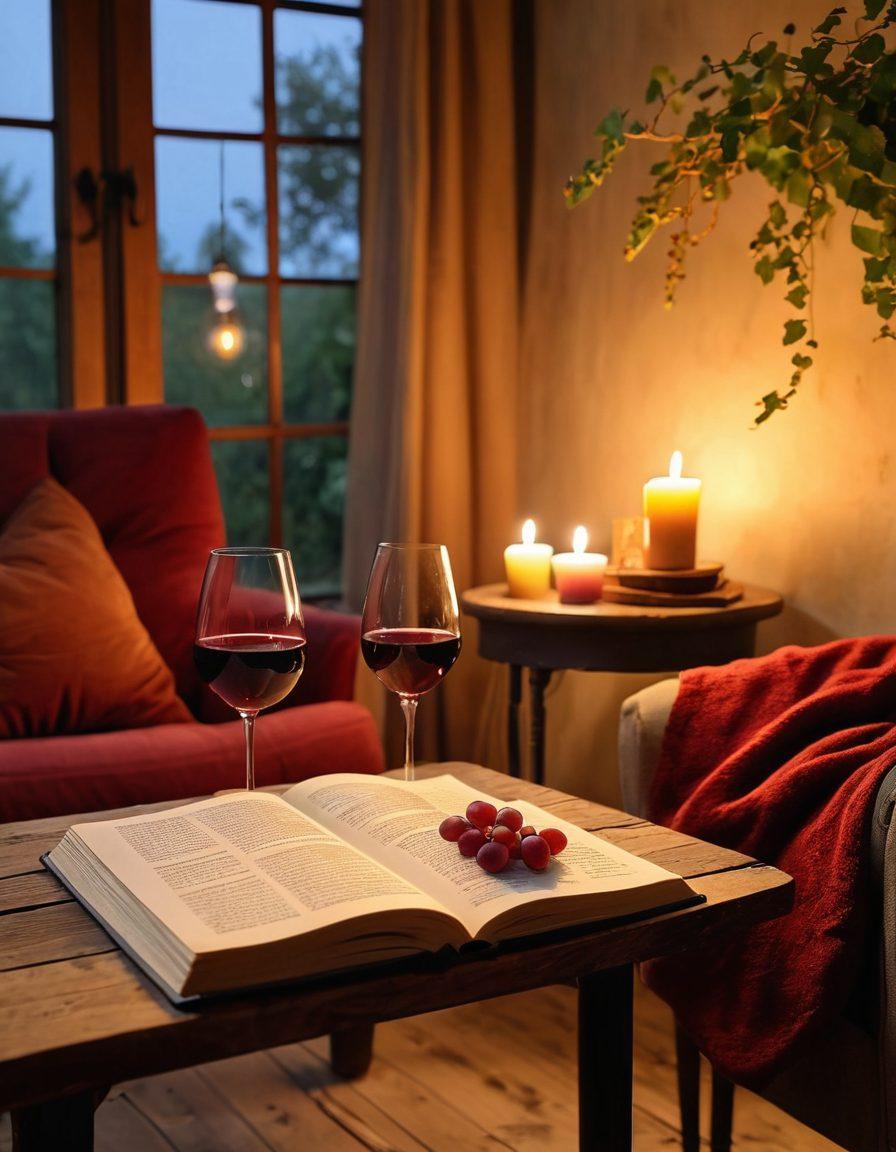
Picture this: after a long day filled with responsibilities, a glass of smooth red wine awaits you. The first sip washes over you, melting away stress like ice on a hot summer day. But how does this miracle in a glass work? The psychological effects of alcohol can create feelings of warmth and euphoria, offering solace during bouts of nervousness or the relentless grip of anxiety disorders. However, the key lies in moderation. While a single glass may aid relaxation, binge drinking effects can lead to heightened anxiety, exacerbating the very feelings we aim to relieve. So, what’s the rule? Sip wisely!
It's vital to understand that wine, like any form of alcohol, is not a cure-all for anxiety treatment. Instead, think of it as a tool in a broader toolkit of stress relief techniques. Incorporating mindfulness for anxiety, along with other relaxation methods, can produce a powerful combination for emotional well-being. Imagine sipping your favorite Pinot Noir while practicing deep breathing exercises, creating a moment of peace that reinforces your coping strategies for anxiety. Are you ready to embrace a holistic approach toward your mental health support?
Of course, self-care for anxiety goes beyond just pouring a glass of wine. It's also about recognizing the factors affecting anxiety in our lives and identifying which levels of wine consumption fit within that. So, what else can you add to your self-care routine? Engage in activities like yoga, meditation, or even a simple walk in nature. Fitness and mental health are intertwined, and combining these activities with your glass of wine may amplify the relaxation experience without risking the psychological effects of excessive drinking.
Finally, let’s remember that the journey to overcoming depression and anxiety often includes seeking professional guidance. Therapy for anxiety can provide the support needed to cultivate effective coping mechanisms. Whether it’s wine or a comforting conversation, find what helps you unwind. As you open your next bottle, ask yourself: How can I integrate this moment of relaxation into a bigger picture for my mental health? Cheers to finding your unique path to anxiety relief, one sip at a time!
Red and White: Exploring the Science Behind Wine and Mental Well-Being
In the seeking of serenity amidst life's chaos, many have turned to a comforting glass of wine, whether it be a rich red or a crisp white. But is there more to this ritual than mere enjoyment? Can wine consumption genuinely affect our mental health? As anxiety disorders and their accompanying symptoms become increasingly prevalent, understanding the relationship between alcohol and anxiety can provide essential insights for our well-being. Join me as we delve into the vibrant world of wine while exploring its psychological effects on mental health, ultimately highlighting relaxation methods that embrace moderation.
When you sip a deep, velvety red wine, do you ever wonder if that moment of indulgence is doing more for you than just pleasing the palate? Red wine has often been lauded for its supposed health benefits, and some research suggests it might also offer anxiety relief. The key lies in its active ingredient—resveratrol. Studies indicate that this compound may help reduce the effects of anxiety symptoms. Yet, one must tread lightly; the effects of alcohol on mental health can vary widely. 'What works for one may not work for another,' they say. – and it’s crucial to explore how individual experiences shape our understanding of stress relief techniques.
On the other hand, while white wine may not contain the same level of resveratrol, it certainly has its own joys and complexities. A chilled Sauvignon Blanc might usher feelings of relaxation after a particularly stressful day. But it’s essential to grasp the fine line between enjoyable coping strategies for anxiety and destructive habits like binge drinking. The emotional well-being derived from a glass of wine can quickly shift to nervousness if one lets moderation slip. Mindfulness for anxiety advocates that we pay close attention to our consumption and emotions—while a glass might ease your mind, an entire bottle could lead you down a different path. So, how do we strike that balance?
As we gather insights about wine and mental well-being, it's crucial to remember that while alcohol can play a role in anxiety relief, it should never be a substitute for therapy for anxiety or other forms of mental health support. A well-rounded approach integrating wine consumption as a pleasurable pastime alongside proven anxiety treatments like therapy, exercise, and mindfulness can deepen our relaxation experience. Self-care for anxiety is all about finding that blend that allows you to enjoy life while managing its pressures. That might mean savoring a glass of wine in good company, embracing it as part of your well-deserved downtime.
However, we must recognize the potential pitfalls on this journey. Alcoholism and the binge drinking effects pose a real risk, especially for those susceptible to depression and anxiety. Finding alternative stress relief techniques—such as engaging in fitness and mental health activities—can provide powerful coping strategies for anxiety that go hand in hand with responsible wine consumption. When faced with an overwhelming feeling of nervousness or stress, pause: what if, instead of reaching for that bottle, you opted for a brisk walk or a calming meditation? By making these conscious choices, we enhance our emotional resilience and pave the way for a healthier relationship with both wine and our mental health.
Sip to Serenity: Techniques for Using Wine as a Coping Strategy for Anxiety
Imagine this: you're curled up on the couch after a long day, the warmth of a glass of wine in your hand, its rich aroma swirling in the air. Does this scene sound familiar? For many, wine offers a much-needed reprieve from life’s stresses and strains, especially when it comes to anxiety symptoms. While sipping on our favorite red wine or crisp white wine can feel luxurious, it can also serve as a useful tool for navigating the tumultuous seas of emotional well-being. So, how can we sip our way to serenity and use wine consumption as a viable coping strategy for anxiety?
The relationship between alcohol and anxiety is as complex as a fine vintage. Think about it — after a stressful week, unwinding with wine can seem like an enticing relaxation method. However, this coping strategy comes with a caveat. While moderate wine consumption may provide temporary relief from nervousness, is it genuinely effective in the long run? Studies have shown that while wine can help alleviate immediate anxiety symptoms, excessive alcohol use may lead to anxiety disorders or even worsen symptoms. Therefore, moderation is crucial when we consider the effects of alcohol on mental health.
So how do we responsibly incorporate wine into our self-care routines? First, let’s focus on mindfulness for anxiety when selecting our beverage of choice. Slowly savoring each sip can turn a simple glass of wine into a ritual of appreciation. Pair this with a few relaxation techniques, like deep breathing or candlelit evenings, and suddenly your wine-drinking experience evolves into a multi-sensory sanctuary. Just as one would be mindful when engaging in therapy for anxiety, being present during wine consumption can ground us, connecting us to the moment instead of drowning in our anxiety or depression and anxiety.
Moreover, it’s essential to recognize the potential pitfalls of relying solely on wine for anxiety relief. While its appeal can be strong, binge drinking effects and the risk of developing alcoholism can introduce a whole new layer of complications. Instead of leaning heavily on wine, consider blending it with other stress relief techniques, such as yoga, exercise, or even engaging conversations with friends. This creates a holistic approach to managing anxiety — a cocktail of coping strategies that embraces emotional well-being without oversaturating our systems with alcohol.
So, as you lift your glass for a toast, remember that wine can indeed play a role in your journey toward mental health support and anxiety treatment — one sip at a time. Choose to drink responsibly, enjoy your wine mindfully, and allow your favorite varietals to become part of a broader arsenal of tools in managing anxiety. After all, isn’t life’s journey all about finding balance and tranquility? Cheers to that!